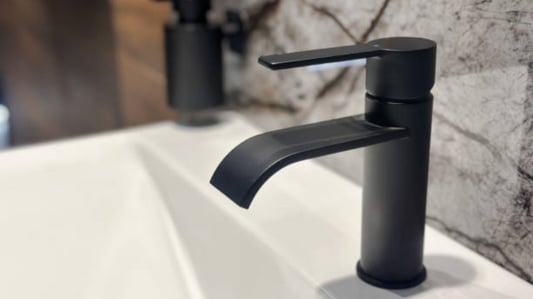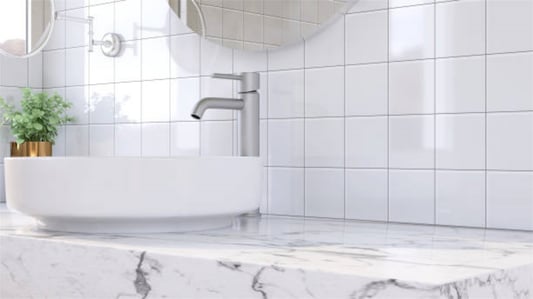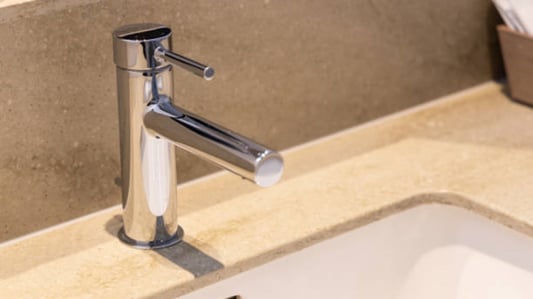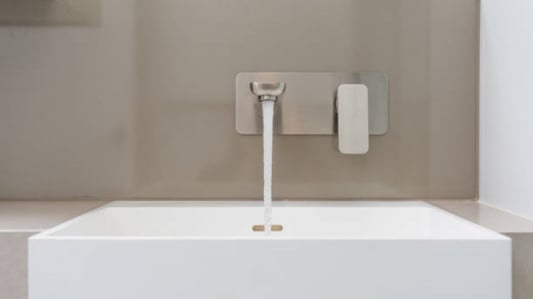

Understanding What a Deck Mounted Faucet IsA deck mounted faucet is a type of faucet installation where the fixture is mounted directly onto the countertop or sink deck rather than the wall. This design is highly popular in modern kitchens and bathrooms for its ease of installation and maintenance. The faucet sits firmly on the surface, making it a convenient choice for most plumbing setups.Key Advantages of Deck Mounted FaucetsOne of the main advantages of deck mounted faucets is their straightforward installation process. Because they are installed on the sink or countertop, they typically require fewer complex plumbing modifications. Additionally, these faucets offer flexibility in terms of placement, allowing for better customization in kitchen or bathroom layouts.Variety of Designs and StylesDeck mounted faucets come in a wide array of designs, finishes, and configurations. From traditional single-handle faucets to modern pull-down sprayers, there is a deck mounted faucet to suit every decor and function need. Popular finishes include chrome, brushed nickel, and bronze, which can complement various styles from rustic to minimalist.Material Choices and Their ImpactThe materials used in deck mounted faucets range from solid brass and stainless steel to plastic components. High-quality materials like brass provide durability, corrosion resistance, and a longer lifespan, while lower-cost materials may be more prone to wear and tear. Choosing the right material affects both the faucet’s performance and its aesthetic longevity.Installation Considerations for Deck Mounted FaucetsInstalling a deck mounted faucet requires precise measurement of the mounting holes on the countertop or sink. Most sinks come pre-drilled with holes, but some require drilling to fit the faucet properly. Proper sealing around the base is essential to prevent water damage and ensure stability.Common Applications in KitchensDeck mounted faucets are widely used in kitchen sinks, offering versatility with features such as pull-out sprayers and soap dispensers integrated on the deck. Their installation on the countertop allows for easier access and movement, making kitchen tasks more ergonomic and efficient.Deck Mounted Faucets in Bathroom SettingsIn bathrooms, deck mounted faucets are popular for both vessel and undermount sinks. They provide clean lines and can be mounted with multiple handles or single levers depending on the style. Their adaptability makes them ideal for a variety of vanity top materials like marble or granite.Maintenance and Cleaning TipsMaintaining deck mounted faucets involves regular cleaning to avoid mineral buildup around the base and handles. Using mild soap and a soft cloth helps preserve the finish. Periodic checks ensure the mounting hardware remains tight and that seals are intact to prevent leaks or water damage to the deck surface.Comparing Deck Mounted Faucets with Wall Mounted AlternativesUnlike wall mounted faucets, deck mounted faucets offer easier installation but may take up more counter space. Wall mounts create a sleek look and easier countertop cleaning but often involve more complex plumbing work. The choice depends on spatial constraints, aesthetic preferences, and plumbing compatibility.Future Trends and Innovations in Deck Mounted FaucetsThe latest trends in deck mounted faucets include touchless technology and water-saving features integrated directly into the faucet design. Smart faucets with sensor activation and temperature controls offer enhanced hygiene and energy efficiency. Sustainable materials and finishes are also gaining popularity for eco-conscious consumers.Quote Inquirycontact us